
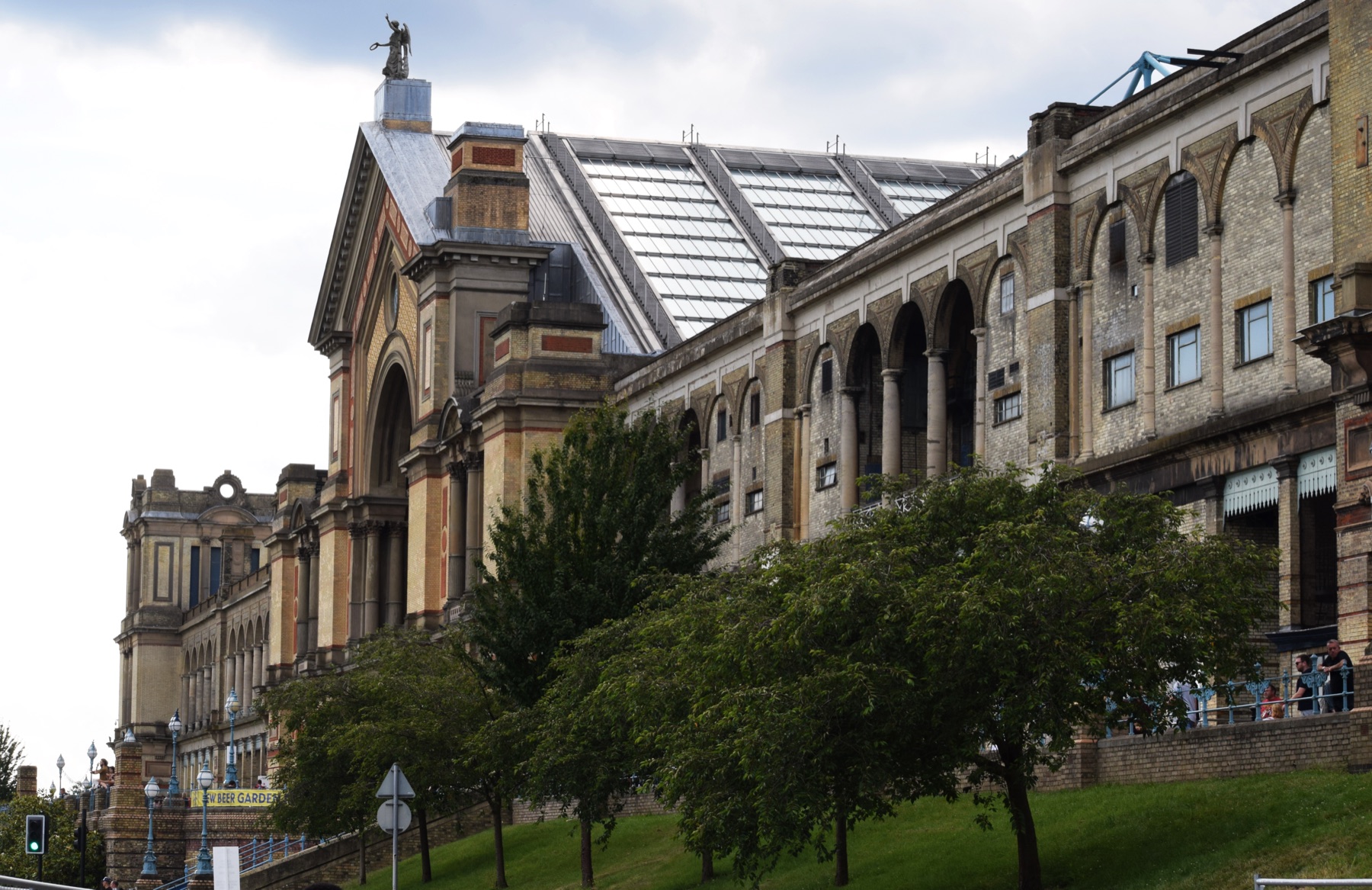
The People's Palace neighbourhood
Welcome to Princes Avenue
A small residential street in Alexandra Park, north London — under the shadow of Alexandra Palace and a few minutes' walk from the park gates. This site is the noticeboard for everyone who lives here: upcoming events, useful local services, and what your neighbours are talking about.
Already registered? Sign in.
Upcoming events
See all →No upcoming events yet.
From the noticeboard
See all →
Tue, 7 Jul 2026 · Mark (no. 56)
The Big Switch-Off: What the End of Analogue Phone Lines Means for You
For more than a century, the UK's telephones have run over the same basic technology: a pair of copper wires carrying an analogue signal back to the local exchange. That era is now ending. Openreach — the BT-owned company that maintains the physical network most providers rely on — is retiring the old copper-based Public Switched Telephone Network (PSTN) and moving the country to phone calls delivered digitally over broadband. Here's what's happening, when, and how to keep a working phone through the change. When is it happening? The final switch-off date is 31 January 2027. The deadline has moved before. The original target was December 2025, but that was pushed back after a series of problems emerged with migrating vulnerable people and telecare (personal alarm) users. This time, Openreach and the industry have signalled there will be no further delays — 31 January 2027 is the hard stop. A few milestones on the road there: September 2023 – BT and other providers stopped selling new analogue lines. If you've bought or upgraded a line since then, you may already be on a digital service. Throughout 2026 – The bulk of remaining customers are being migrated, with more than three million premises already moved to digital landlines. Staged price rises on legacy lines – To nudge people to switch, Openreach has applied a series of wholesale price increases on old copper line rental during 2026 (reported as roughly 20% in April, a further 40% in July, and another 40% in October), taking the cost of a legacy line to about double its 2025 level. 31 January 2027 – The PSTN is switched off for good. Importantly, Openreach has said there will be no single "big bang". Rather than everyone losing service on one night, the migration is happening area by area and customer by customer in the run-up to the deadline. Who and what is affected? This is bigger than just home phone calls. The PSTN underpins a surprising amount of everyday infrastructure, and anything that dials down a copper line is potentially affected, including: Home and business landlines (including ISDN business lines) Broadband delivered over copper (ADSL and FTTC/"fibre-to-the-cabinet" both use copper for part of the journey) Telecare and personal alarm pendants used by elderly and vulnerable people Home security and burglar alarms that dial a monitoring centre Fire alarms, lift emergency phones, and door-entry systems Card payment terminals and some other machine-to-machine equipment If you only ever use your landline to make and receive calls, the change is straightforward. If you rely on any of the connected systems above, they may need checking, reconfiguring, or replacing. What is it being replaced with? The replacement is digital voice — your phone calls carried over an internet (broadband) connection using Voice over IP (VoIP) technology. BT markets its version as Digital Voice; other providers have their own equivalents (Sky Talk, Virgin Media, TalkTalk, Vodafone and so on). In practice, instead of plugging your phone into the wall socket, you'll typically plug your existing handset into the back of your broadband router (or use a small adapter). Calls generally sound clearer and the number stays the same — but the phone now depends on your broadband and your mains electricity. The catch: power cuts and vulnerable users The single biggest difference with digital voice is this: an old analogue phone was powered down the line from the exchange, so it kept working in a power cut. A digital phone does not. If your electricity or broadband goes down, so does your phone — including your ability to dial 999. This is exactly why the switch-off was delayed. Regulators and providers put stronger protections in place, particularly for people who depend on their phone in an emergency. Current safeguards include: Providers will not proactively switch certain higher-risk groups — such as some customers over 70, people with telecare pendants, and homes with no mobile signal — without extra support in place. Affected vulnerable customers are contacted at least four weeks in advance of their migration. Free battery backup units are offered to those who need continued phone access in a power cut (typically giving around an hour of standby). On the switch day, engineers test telecare devices before leaving, and if a device doesn't work the customer is switched back to analogue. Openreach's "Prove Telecare" service (rolled out nationwide in October 2025) and emergency-line pilots are designed to safely handle alarm users, which had been the main sticking point. If you or a family member relies on a personal alarm, tell both your phone provider and your telecare provider before any switch so the right protections are applied. Options if you want to keep a "normal" telephone The good news: you do not have to give up your familiar handset, and in most cases you keep your existing number. Here are the realistic routes. 1. Move to your provider's digital voice service (the default) This is what most people will do, and it's usually free of any new equipment charge. Your normal corded or cordless phone plugs into the router (or a supplied adapter). Best if you have a reliable broadband connection. 2. Digital voice + a battery backup unit If losing your phone in a power cut is a concern — and especially if you have a health condition or no mobile coverage — ask your provider for a battery backup unit. It's free for eligible/vulnerable customers. This keeps the landline alive for a limited time during an outage. 3. Keep a mobile phone as your emergency backup The simplest resilience for most households: make sure there's a charged mobile in the house for use if broadband or power fails. If your area has poor mobile coverage, most networks now offer Wi-Fi Calling, though that too needs power and internet. 4. A "no-broadband" digital voice line If you have a landline but no internet and don't want broadband, providers can supply a digital voice service that works over a basic managed connection or a special adapter, so you can keep a phone-only setup without paying for a full broadband package. Ask specifically for this — it isn't always the first option offered. 5. Mobile-based landline replacement Devices exist that look and work like a normal home phone but route calls over the mobile (cellular) network using a SIM card. These are a good fit for homes with strong mobile signal but poor or no broadband — the phone works independently of your router. 6. For telecare users: upgrade the alarm, not just the phone If you use a pendant alarm, the priority is a digital-ready alarm unit (often with its own SIM and battery backup) rather than one that dials over the old copper line. Contact your telecare provider or local council — many are proactively upgrading equipment ahead of the switch. What you should do now Check if you've already been switched. Many people are on digital voice without having thought much about it. If your phone plugs into your router, you're there. Contact your provider to confirm your migration date and what equipment you'll receive. Flag any vulnerabilities — age, health conditions, telecare alarms, or lack of mobile signal — so power-cut protections and advance contact are applied. Audit your connected devices — alarms, care pendants, lift phones, card machines — and check each will work on a digital line. Sort out a backup — a battery unit, a charged mobile, or both — so you're never left without a way to call for help. The switch-off is not something to fear, but it isn't something to ignore either. Handled in advance, it's a routine upgrade that leaves you with clearer calls on the same number. Left to the last minute, it risks leaving a vulnerable household without a working phone. With the 31 January 2027 deadline now firm, the time to prepare is well ahead of it. Sources: Openreach — Time for a "big switch-up" as PSTN switch-off looms Openreach Says No BIG BANG in Jan 2027 When UK Analogue Phones Switch-Off — ISPreview UK Openreach Pilot Emergency UK Phone Lines for 2027 Analogue Switch-Off — ISPreview UK When will the PSTN switch-off happen? Everything you need to know before 31 January 2027 — KnowAll BT Switch 3 Million UK Homes to Digital Voice Ahead of Legacy Phone Switch Off — ISPreview UK Everything you need to know about BT's Digital Voice — AbilityNet Digital Phone Switchover — UK Telehealthcare House of Commons Library Research Briefing (CBP-9471)
Tue, 7 Jul 2026 · Mark (no. 56)
New MarketPlace Pages on the website
You can now add any items you wish to give away, sell or require on the new Marketplace pages.
- A
Fri, 29 May 2026 · Admin
Broadband on Princes Avenue — what's available, who provides it
A quick guide to the broadband options at N22 7SA/B. Four different technologies reach our street; speeds, prices and reliability vary a lot between them. Check your own address with the links at the bottom — what your neighbour can get isn't always what you can get. ━━━━━━━━━━━━━━━━━━━━━━━━━━━━━━━━━━━━━━━━━ 1. FULL FIBRE (FTTP) ~150 Mbps to 1+ Gbps A fibre-optic cable runs all the way into your house and terminates in a small white box (an ONT) by your router. No copper between you and the exchange, so speeds are symmetric-ish, latency is low, and the line shouldn't slow down when it rains. This is the future-proof option. At N22 7SA/B this is the most common modern install. Providers: • Openreach FTTP — sold by https://www.bt.com, https://www.sky.com, https://www.talktalk.co.uk, https://www.vodafone.co.uk, https://www.plusnet.com, https://www.zen.co.uk, https://ee.co.uk and many smaller ISPs. Same physical line, different bills. • Community Fibre — London altnet, partner with Haringey Council on a borough-wide rollout. Often the cheapest on a like-for-like speed tier; symmetric upload speeds. https://communityfibre.co.uk • Hyperoptic — usually inside larger blocks of flats rather than Victorian/Edwardian terraces, but worth a postcode check. https://www.hyperoptic.com ━━━━━━━━━━━━━━━━━━━━━━━━━━━━━━━━━━━━━━━━━ 2. CABLE (Virgin Media) up to ~1.1 Gbps down, ~50 Mbps up Hybrid fibre + coax: fibre to a street cabinet, then the same kind of coaxial cable your old cable TV used into the house. Fast downloads, much slower uploads than full fibre (which matters for video calls, cloud backup, and uploading photos and videos). Virgin Media serves the Wood Green / Alexandra Park area; check the postcode at https://www.virginmedia.com to confirm your specific house is on the network. ━━━━━━━━━━━━━━━━━━━━━━━━━━━━━━━━━━━━━━━━━ 3. FIBRE TO THE CABINET (FTTC) 30 to 80 Mbps Fibre to the green street cabinet, then the original copper telephone line into your house. Speed depends on how far you are from the cabinet — the further away, the slower. This is what most "fibre broadband" deals were until full fibre arrived; it's still available everywhere on the street as a fallback. Sold by the same Openreach-based ISPs as FTTP (BT, Sky, TalkTalk, Vodafone, Plusnet, etc.) — they'll usually quote you FTTP if your address can take it, and fall back to FTTC if not. ━━━━━━━━━━━━━━━━━━━━━━━━━━━━━━━━━━━━━━━━━ 4. 5G HOME BROADBAND (FWA) ~100 to 300 Mbps where signal is good A router with a SIM card in it, using the same 5G network as your phone. No engineer install, no contract with Openreach. Speeds depend entirely on signal strength at your specific window. • EE 5G Home Broadband: https://ee.co.uk/broadband/5g-home-broadband • Three 5G Home Broadband: https://www.three.co.uk/5g/home-broadband • Vodafone 5G Home Broadband: https://www.vodafone.co.uk/broadband/5g-home-broadband Worth knowing about if you're moving in and want connectivity from day one without waiting for an engineer. ━━━━━━━━━━━━━━━━━━━━━━━━━━━━━━━━━━━━━━━━━ A NOTE ON ADSL The old copper-only ADSL service (8–24 Mbps) is being switched off by January 2027 as part of the BT PSTN retirement. If you're still on an old "broadband + phone" copper line, you'll need to migrate to one of the above before then — your provider will be in touch. ━━━━━━━━━━━━━━━━━━━━━━━━━━━━━━━━━━━━━━━━━ CHECK YOUR OWN ADDRESS Each provider lets you check by postcode and house number: • Openreach (covers BT/Sky/TalkTalk/Vodafone/Plusnet/Zen/EE/etc.): https://www.openreach.com/fibre-checker • Community Fibre: https://communityfibre.co.uk/in-my-area • Virgin Media: https://www.virginmedia.com/broadband/postcode-checker • Hyperoptic: https://www.hyperoptic.com If you find a provider not listed here serving your address, reply on the noticeboard and we'll update this post.